Consumption: The Fuel That Drives Our Economic Engine Forward
Consumption: The Fuel That Drives Our Economic Engine Forward
In the complex and interconnected realm of economics, consumption stands out as a compelling force. It is not merely an activity or choice made by individuals; it represents the driving force behind the entire economic machinery. Understanding consumptions vital role can illuminate why it is often referred to as the fuel that propels our economic engine forward.
The Basics of Consumption
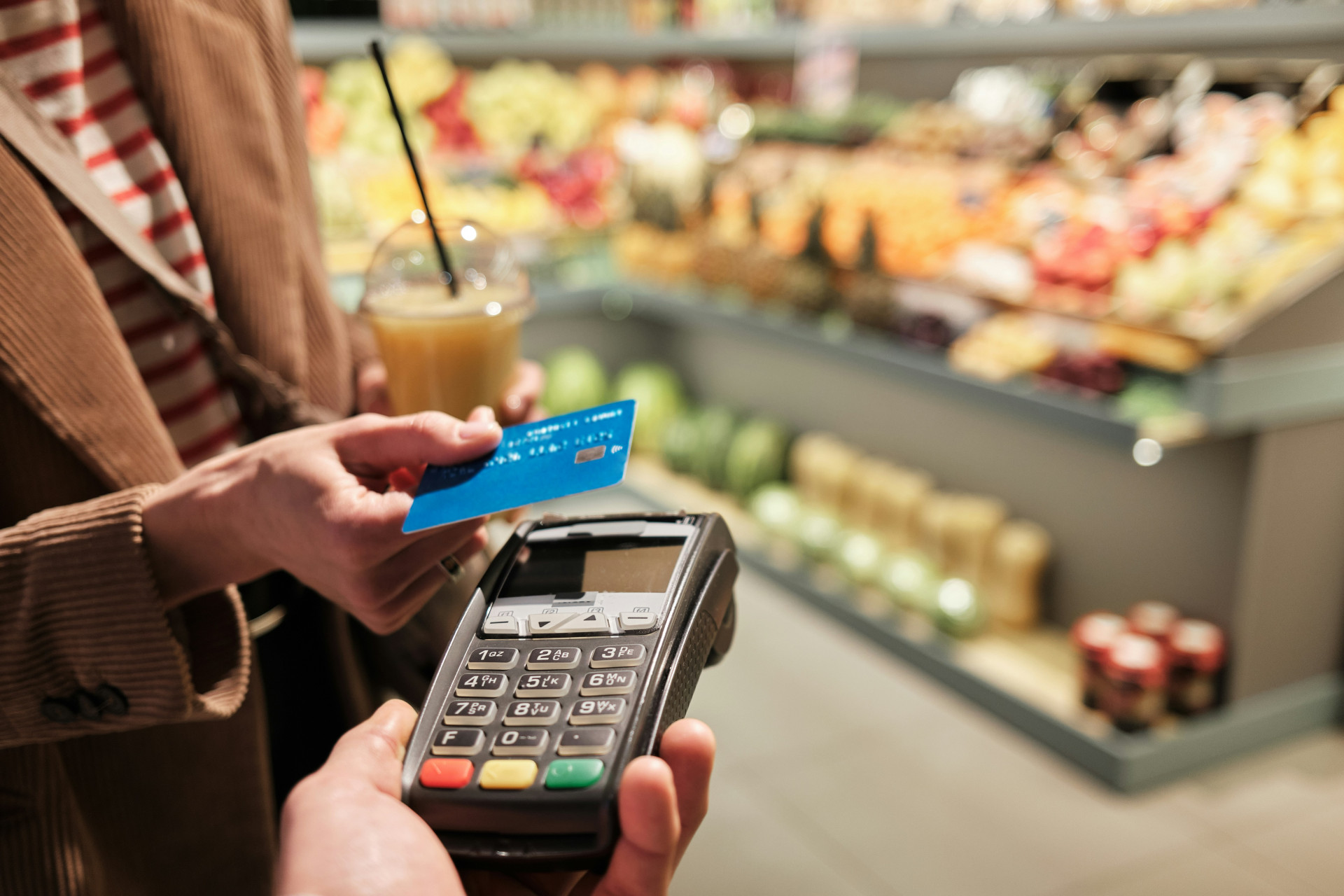
At its core, consumption refers to the use of goods and services by households. When individuals purchase items—be it food, clothing, or electronics—they are participating in consumption. This activity is a critical element of economic activity, influencing everything from production levels to employment rates.
Economists often break down consumption into different categories, such as durable goods (e.g., cars, appliances), nondurable goods (e.g., food, clothing), and services (e.g., haircuts, healthcare). Each category plays a significant role in shaping economic trends and cycles.
Consumption as Economic Growth Driver
Consumption accounts for a significant portion of Gross Domestic Product (GDP) in many countries. In the United States, for instance, consumer spending comprises around two-thirds of GDP. This statistic emphasizes the importance of consumption in driving economic growth.
When consumers increase their spending, businesses respond by ramping up production, which can lead to more jobs and higher incomes. This cycle creates a positive feedback loop: as employment rises and wages grow, consumers tend to spend even more, further boosting the economy.
The Impact of Consumer Confidence
Consumer confidence is an essential factor that influences consumption patterns. When individuals feel secure about their financial situation, they are more likely to spend money. Conversely, during periods of economic uncertainty, such as a recession, consumer confidence tends to plummet, leading to reduced spending and a slowdown in economic growth.
Indicators of consumer confidence, such as surveys and reports, help economists predict spending trends. Business leaders closely watch these indicators to gauge market conditions and make informed decisions about inventory, investments, and hiring practices.
The Role of Advertising and Marketing
Advertising and marketing play crucial roles in shaping consumption behaviors. Businesses use various strategies to influence consumer preferences and drive spending. From social media campaigns to traditional television ads, the goal is to create a desire for their products.
Effective marketing can create trends that significantly alter consumer behaviors. For example, a successful advertising campaign can spark interest in a new gadget, prompting waves of consumers to purchase it. This phenomenon illustrates how consumption can be cultivated by strategic marketing efforts, impacting economic performance.
Consumption Patterns in a Digital Age
The rise of e-commerce and digital platforms has transformed consumption patterns dramatically. Today, consumers can shop online for a vast array of products from the comfort of their own homes. This convenience has fueled a surge in online shopping, affecting the way businesses approach retail.
As digital channels become more dominant, companies must adapt their consumption strategies to meet customers where they are. This shift has implications beyond simple sales figures; it requires businesses to re-evaluate their logistics, inventory management, and customer engagement efforts.
Environmental Considerations in Consumption
While consumption drives economic growth, it also raises concerns about sustainability and environmental impact. Increased consumption often leads to greater resource depletion and increased waste, prompting a call for more sustainable practices.
Many consumers are becoming increasingly aware of their consumption choices environmental implications. This awareness influences their purchasing decisions, pushing businesses to embrace sustainable practices and develop eco-friendly products. Companies that adapt to these shifting consumer values may find themselves reaping the benefits of loyalty and market share.
The Future of Consumption
The landscape of consumption is continually changing, influenced by technology, social trends, and a growing emphasis on sustainability. As we look to the future, it is clear that understanding these dynamics will be crucial for both businesses and consumers. The choices made today will shape the economic environment for years to come.
In observing consumptions role as the engine of economic growth, it is essential to consider both its benefits and challenges. The interplay between consumer behavior and economic indicators will continue to be a focal point for understanding our financial landscape.
