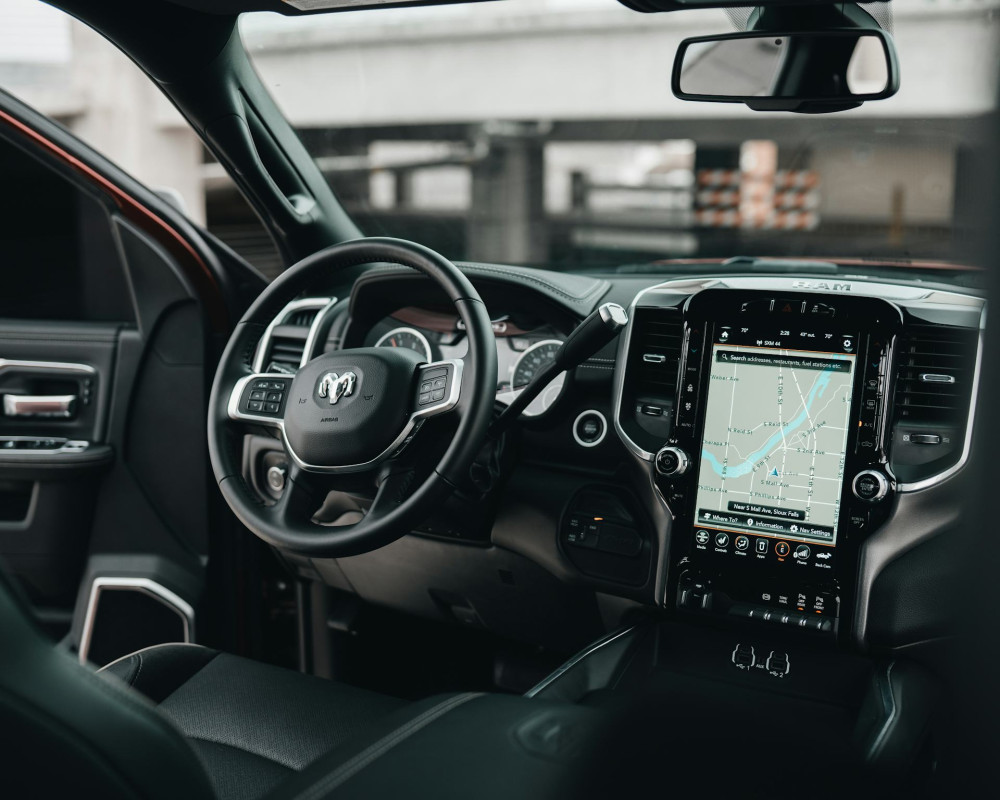
Digital solutions make it easier to calculate and pay vehicle taxes

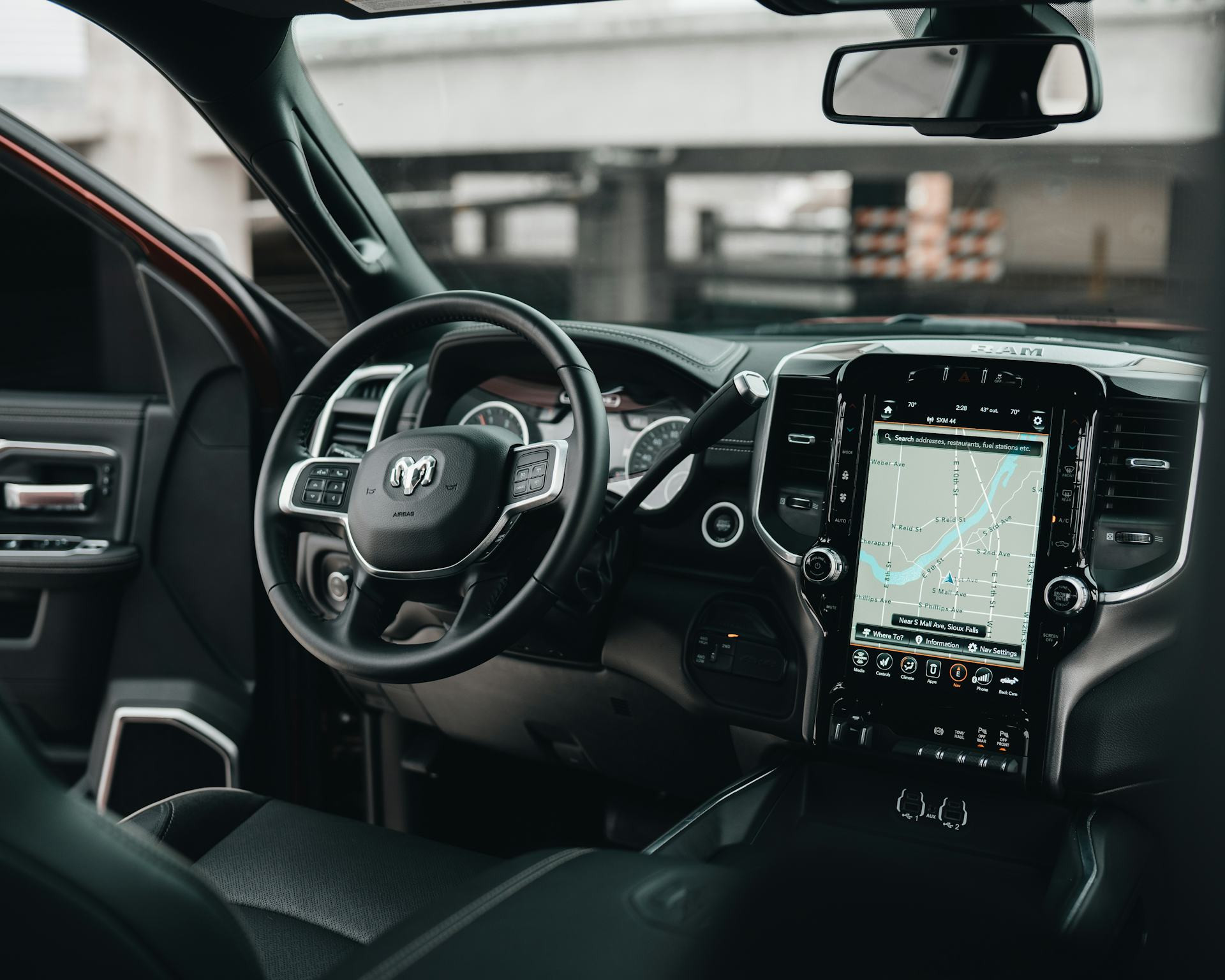
Digital solutions make it easier to calculate and pay vehicle taxes
Owning or importing a vehicle in Australia has always involved a fair share of paperwork and complex rules. Between registration fees, stamp duty, luxury car tax, and ongoing state-based charges, it can be difficult to keep track of what you owe and when. But in recent years, digital tools have made it much easier for both private motorists and businesses to understand, calculate, and pay their vehicle taxes accurately and on time.
From manual forms to smart online tools
Not long ago, calculating vehicle-related taxes often meant sifting through government websites, using spreadsheets, or calling a service centre for help. Today, a range of online calculators and digital services have simplified the process.
Each state and territory now offers online platforms where you can estimate registration costs and transfer fees simply by entering your vehicle’s details. For example, the NSW Service portal, VicRoads, and Queensland’s Transport and Main Roads websites all provide quick calculators that show how registration and duty are determined based on the car’s value, fuel type, and emissions.
Private companies have also developed apps that combine official data with user-friendly interfaces, allowing drivers to compare costs across different vehicle types — from petrol cars to hybrids and electric vehicles.
Paying your vehicle taxes with a few clicks
The payment process has also become far more convenient. Instead of filling out paper forms or visiting a service centre, most vehicle taxes and registration fees can now be paid online through secure government portals.
In New South Wales, for instance, you can log in to Service NSW to renew your registration, check your CTP insurance, and pay any outstanding fees in one place. Similar systems exist across other states, often with options for automatic reminders and digital receipts.
For businesses managing fleets, integrated digital solutions can connect directly with accounting software, automating payments and record-keeping. This reduces administrative work and minimises the risk of missed deadlines or errors.
Læs også:



Transparency and better decision-making
Digital tools don’t just make things easier — they also make the system more transparent. When you can see exactly how your taxes are calculated, it’s easier to make informed decisions about your next vehicle purchase.
Should you choose an electric car, a plug-in hybrid, or a conventional petrol model? How will changes in emissions-based charges affect your running costs? With online calculators and open data, drivers can quickly see the financial and environmental implications of their choices.
Many car dealerships now use these digital systems as part of the sales process, giving customers a clear picture of the total cost of ownership — including taxes and fees — before they sign the contract.
Looking ahead: automation and sustainability
The digital transformation of vehicle taxation is still evolving. As Australia moves toward cleaner transport and more dynamic tax systems, digital solutions will play an even greater role. Future systems may automatically adjust charges based on real-time data such as distance travelled, energy consumption, or emissions.
Government agencies are also working to make vehicle and tax data more accessible through open APIs, encouraging innovation from private developers. This could lead to new apps and services that help drivers manage their vehicles more efficiently and sustainably.
A simpler experience for Australian motorists
The shift to digital vehicle tax systems shows how technology can make complex regulations more manageable. Whether you’re registering a new car, importing a vehicle, or renewing your annual fees, most tasks can now be completed in minutes — without paperwork or confusion.
For Australian motorists, that means less time spent on administration and more confidence that everything is handled correctly. And for the broader system, it means greater efficiency, transparency, and support for a cleaner, smarter transport future.
Læs også: