Save Money and Protect the Environment with Lower Fuel Consumption


Save Money and Protect the Environment with Lower Fuel Consumption
Fuel prices in Australia can fluctuate from week to week, and with long distances between cities and towns, driving is often a necessity. But every extra litre your car burns costs you money and adds to greenhouse gas emissions. The good news is that with a few simple changes to your driving habits and vehicle maintenance, you can cut your fuel use, save money, and reduce your environmental impact—all without sacrificing comfort or convenience.
Drive Smoothly and Plan Ahead
The way you drive has the biggest influence on how much fuel your car uses. Rapid acceleration and hard braking waste energy and increase consumption. Instead, aim for a steady, predictable driving style.
- Accelerate gently and shift gears early if you drive a manual. Engines are most efficient at lower revs.
- Keep a safe distance from the car in front so you can slow down gradually rather than braking suddenly.
- Ease off the accelerator early when approaching traffic lights or intersections—modern engines use no fuel when coasting in gear.
A calm, steady driving style can reduce fuel use by up to 15 per cent and make your trips more relaxed.
Check Tyre Pressure and Keep Your Car in Shape
Underinflated tyres increase rolling resistance, which means your engine has to work harder. Check your tyre pressure at least once a month, especially before long drives. The correct pressure is listed in your car’s manual or on a sticker inside the driver’s door.
Regular maintenance also helps your car run efficiently. Replace oil and air filters as recommended, and make sure the engine is properly tuned. A clogged air filter or worn spark plugs can increase fuel consumption noticeably.
Lighten the Load and Reduce Drag
The heavier your car, the more fuel it needs to move. Remove unnecessary items from the boot or back seat—tools, sports gear, or other heavy objects you don’t need every day. Roof racks and cargo boxes create extra wind resistance, which can increase fuel use by up to 20 per cent on the highway. Take them off when they’re not in use.
Even small reductions in weight and drag can make a difference over time.
Læs også:

Plan Your Trips Wisely
Short trips with a cold engine use more fuel and produce more emissions. Try to combine errands so your car warms up properly and you avoid multiple cold starts.
Also consider whether you need to drive at all. For short distances, walking, cycling, or using public transport can be cheaper, healthier, and better for the planet. Many Australian cities now have improved bike paths and public transport options that make it easier to leave the car at home.
Use Technology to Your Advantage
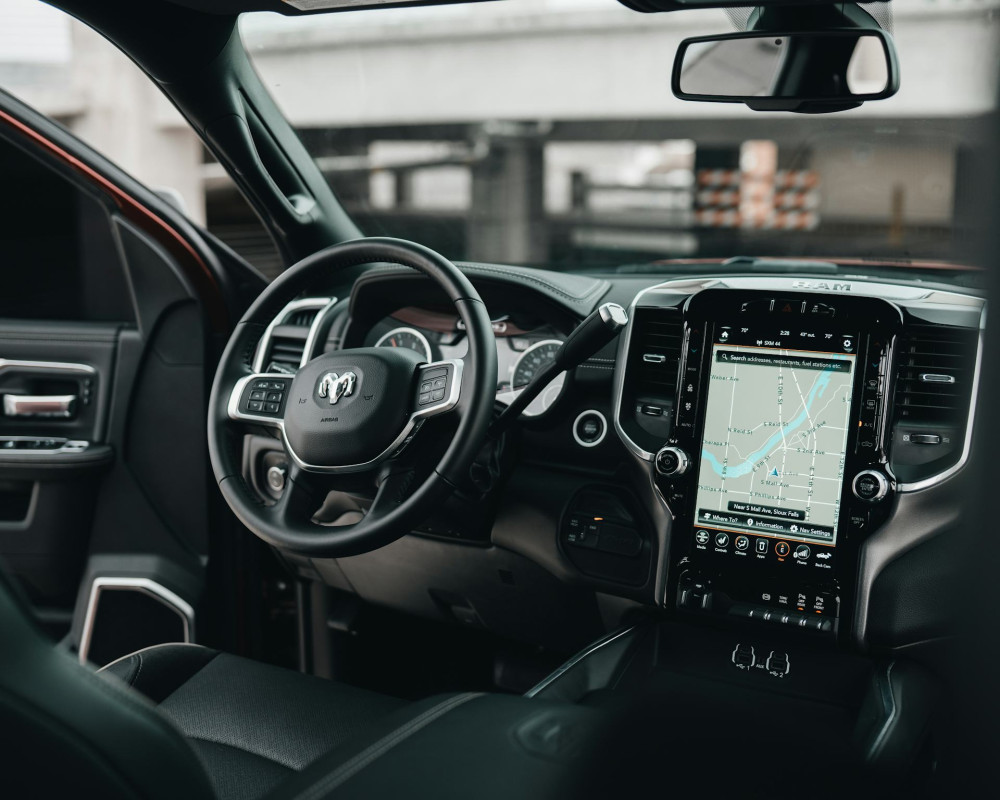
Modern vehicles often include features that help you drive more efficiently. Real-time fuel consumption displays, eco-driving modes, and gearshift indicators can all guide you toward better habits.
If you drive an older car, you can use a smartphone app or a small plug-in device to monitor your driving patterns and identify where you can save fuel.
Consider Alternative Power Options
If you’re thinking about upgrading your car, it’s worth exploring hybrid or electric models. These vehicles can significantly reduce both running costs and emissions. While the purchase price may be higher, the savings on fuel and maintenance often make up for it over time.
For many Australians, choosing a smaller, more efficient car can also lead to lower registration fees, insurance costs, and fuel bills.
Small Changes, Big Impact
Driving more efficiently isn’t about slowing down—it’s about driving smarter. With a few adjustments to your habits, you can save hundreds of dollars each year and make a real difference for the environment.
By combining good planning, smooth driving, and regular maintenance, you’ll enjoy a cheaper, cleaner, and more sustainable way to get around Australia.
Læs også: