Create Balance Between Function and Aesthetics in Your Building Project

Create Balance Between Function and Aesthetics in Your Building Project
When you embark on a building project – whether it’s a new home, an extension, or a major renovation – one of the biggest challenges is finding the right balance between function and aesthetics. A home should not only work well in everyday life but also be a place that feels inviting and visually pleasing. So how do you make sure practicality and beauty go hand in hand? Here’s how to create a design that’s thoughtful, durable, and harmonious – and suited to Australian conditions.
Start with Function – Then Shape the Look
It’s tempting to begin with the visual side of things – materials, colours, and architectural details – but a successful project starts with a clear understanding of your needs. How do you live day to day? Where do you spend most of your time? What functions should each space serve?
Make a list of your priorities: storage, natural light, ventilation, energy efficiency, and maintenance. Once the functional aspects are defined, it becomes much easier to choose aesthetic solutions that support the way you actually use your home.
Think Holistically – Not in Isolated Details
A beautiful building is more than a collection of design features; it’s about how everything works together. Colours, materials, and proportions should form a coherent whole, both inside and out.
- Externally, the roofline, façade, and windows should create a unified visual expression. Consider how your home fits into its surroundings – whether that’s a coastal landscape, suburban street, or bush setting.
- Internally, repeat materials and tones across rooms to create flow and calm. Consistency gives a sense of order and balance.
Holistic thinking also means understanding how function and aesthetics influence each other. Large windows may bring in stunning light and views but can also increase heat gain in summer. Open-plan living feels spacious but requires careful attention to acoustics and storage.
Choose Materials That Last – and Look Good
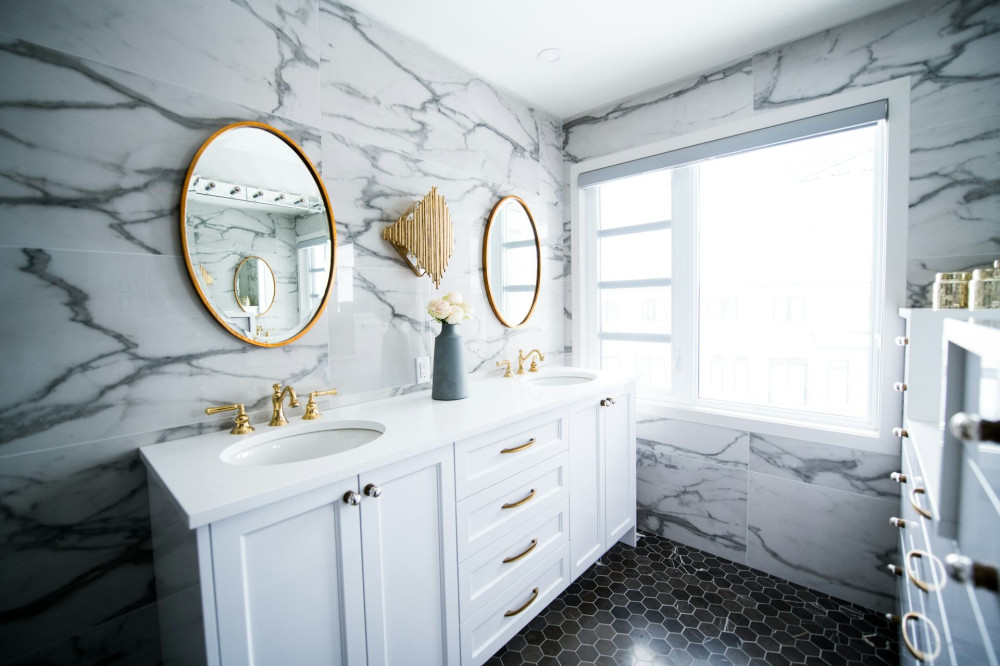
Material selection is where function and aesthetics meet most directly. A material can be beautiful but impractical – or practical but uninspiring. The best choices often lie in the middle ground.
- Timber adds warmth and character but needs protection from Australia’s harsh sun and humidity. Opt for durable species or finishes that extend its life.
- Stone and concrete are robust and timeless but can feel cold unless balanced with softer textures.
- Modern composites and recycled materials can mimic natural finishes while offering lower maintenance and improved sustainability.
Sustainability is key in Australian building today. Materials with long lifespans, low embodied energy, and local sourcing not only reduce environmental impact but also make your home more economical over time.
Light as a Design Tool
Light is one of the most powerful elements in both function and aesthetics. A well-lit space feels larger, more comfortable, and more alive. In Australia, where sunlight is abundant, it’s important to design for both brightness and shade.
Position windows and openings to capture natural light while minimising glare and heat. Use eaves, pergolas, or external blinds to control solar gain. Complement daylight with layered artificial lighting – task, ambient, and accent – to create flexibility and mood. Light fittings themselves can become sculptural features that enhance the overall design.
Læs også:
Interior Design with Purpose
Once the structure is complete, interior design brings the space to life. Furniture, colours, and textures should highlight the architecture rather than compete with it.
- Keep lines simple and materials consistent to maintain visual calm.
- Define zones in open spaces to make each area functional and comfortable.
- Choose colours that respond to natural light – cooler tones for bright north-facing rooms, warmer hues for shaded areas.
A well-balanced interior feels both practical and personal – a reflection of your lifestyle and taste.
Collaborate with the Right Professionals
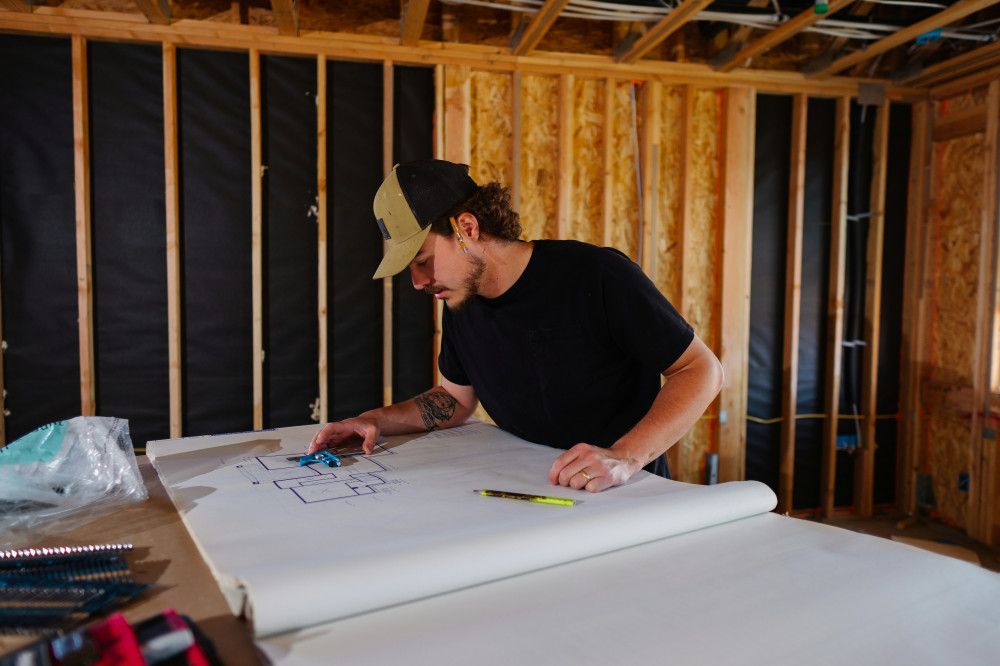
Even the best ideas can fall short without good communication between client, architect, and builder. Choose professionals who understand your vision and can translate it into solutions that are both functional and aesthetically refined.
An architect can help you integrate form and function, while a builder or project manager ensures the design works in practice. The best results come from collaboration – where creative ideas meet technical expertise.
A Home That Endures
When function and aesthetics are in harmony, you create a home that not only looks beautiful but also supports your daily life. It’s a place that feels right to live in, adapts to changing needs, and stands the test of time. A truly successful building project isn’t necessarily the most extravagant – it’s the one that feels balanced, comfortable, and uniquely yours.
Læs også: