Thoughtful Material Selection: Balancing Function, Aesthetics, and Maintenance


Thoughtful Material Selection: Balancing Function, Aesthetics, and Maintenance
When planning a building or renovation project, choosing the right materials is one of the most important decisions you’ll make. It’s not just about how things look – it’s about how they perform, how long they last, and how much care they require. A thoughtful approach to material selection can mean the difference between a home that ages gracefully and one that quickly loses its appeal. Here’s how to find the balance between function, aesthetics, and maintenance – and make choices that stand the test of time in the Australian context.
Function First – But Not Alone
Functionality should always be the starting point. A material must be suited to the conditions it will face and perform well in its environment. In a bathroom, surfaces need to resist moisture and humidity; in a kitchen, benchtops must handle heat, spills, and frequent cleaning. Outdoors, materials must endure Australia’s diverse climates – from coastal salt air to the dry inland heat and tropical humidity up north.
Function also includes comfort and practicality. A floor may look stunning, but if it’s slippery, cold underfoot, or hard to clean, it will soon become a frustration. Always ask yourself: How will this material be used – and by whom?
Aesthetics – When Materials Set the Mood
Materials do more than serve a purpose; they shape the atmosphere of a space. Timber brings warmth and a natural feel, while concrete and steel convey modernity and strength. Glass and light-coloured finishes can make a room feel open and airy, while darker tones create intimacy and calm.
Aesthetic choices are about harmony – how materials, colours, and light interact. Consider how surfaces connect from one room to another and how they respond to natural light throughout the day. A cohesive look doesn’t mean uniformity; contrast can add depth and character. Try pairing smooth and textured surfaces, matte and glossy finishes, or light and dark tones to create visual interest without clutter.
Maintenance – The Often Overlooked Factor
A material can be both beautiful and functional, but if it demands constant upkeep, it may not suit your lifestyle. Think realistically about how much time and effort you’re willing to invest in cleaning and maintenance.
- Timber needs regular oiling or sealing, but rewards you with warmth and a rich patina over time.
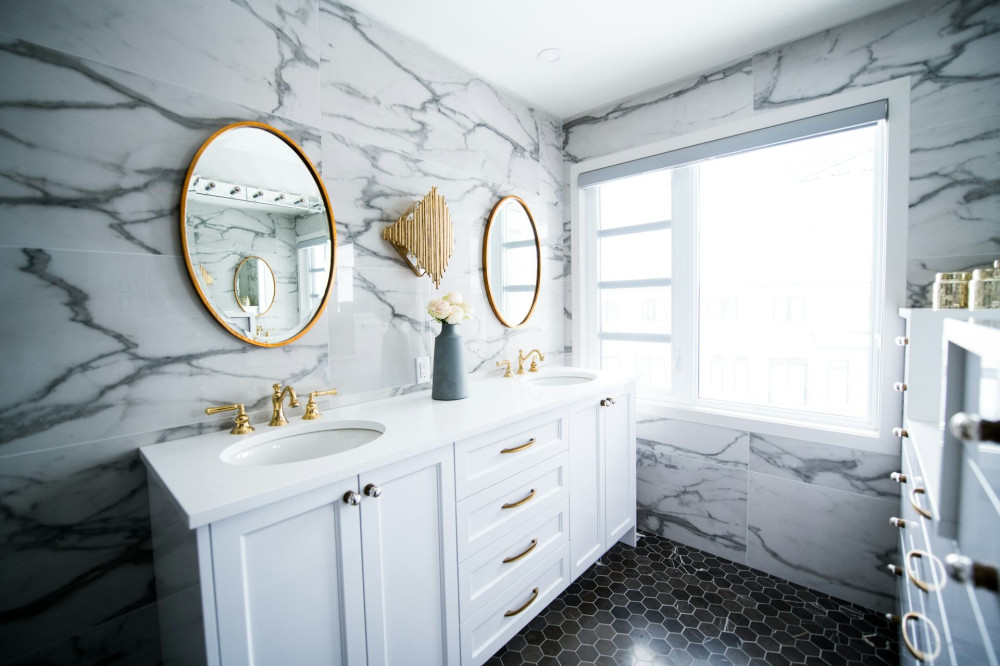
- Natural stone such as marble or sandstone is elegant but can be porous and sensitive to stains.
- Engineered composites and laminates are low-maintenance and durable, though they may lack the organic charm of natural materials.
- Metal and glass offer a sleek, modern look but can show fingerprints and smudges easily.
Choosing materials that align with your daily habits will help you maintain a home that looks good and functions well for years to come.
Sustainability – A Core Consideration
Sustainability is increasingly central to material selection in Australia. It’s not only about choosing eco-friendly products but also about considering longevity and life cycle. A durable material that lasts decades is often more sustainable than one that needs frequent replacement.
Look for certifications such as FSC for timber or Green Star ratings for building materials. Locally sourced products can reduce transport emissions and support Australian industries. Recycled and reclaimed materials are also gaining popularity, offering both environmental and aesthetic benefits.
Sustainability is also about timelessness. A material that you’ll still love in twenty years is, in its own way, a sustainable choice.
Læs også:

Thinking Holistically – When Everything Connects
The best results come when function, aesthetics, and maintenance are considered together from the start. A beautiful, practical, and durable outcome depends on seeing the project as a whole, not just as a collection of parts.
Make a list of your priorities: Is appearance most important? Durability? Cost? Environmental impact? Once you know what matters most to you, your decisions will become clearer and more confident.
And remember: there’s rarely a single “perfect” material. The right choice is the one that fits your home, your environment, and your way of living – thoughtfully balanced for the long run.
Læs også: