The payment plan that matches the stages of a construction project

The payment plan that matches the stages of a construction project
Building a new home, renovating, or adding an extension is a major undertaking – not just in terms of design and materials, but also financially. A well-structured payment plan is essential to keep your budget on track and avoid unpleasant surprises. It ensures that payments are made in line with progress on site, giving both you and your builder clear expectations about when and how money changes hands.
Here’s how you can set up a payment plan that follows the natural stages of a construction project – from the first plans to the final handover.
Why a payment plan matters
A payment plan is an agreement between the homeowner and the builder that outlines when payments will be made throughout the construction process. It protects both parties: the builder has assurance of regular payments, and you only pay for work that has actually been completed.
Without a clear plan, disputes can arise over what’s finished and what’s owed. This can lead to delays, tension, and even financial loss. A transparent payment schedule helps maintain trust, keeps the project moving smoothly, and makes it easier to manage your budget.
Stage 1: Planning and design
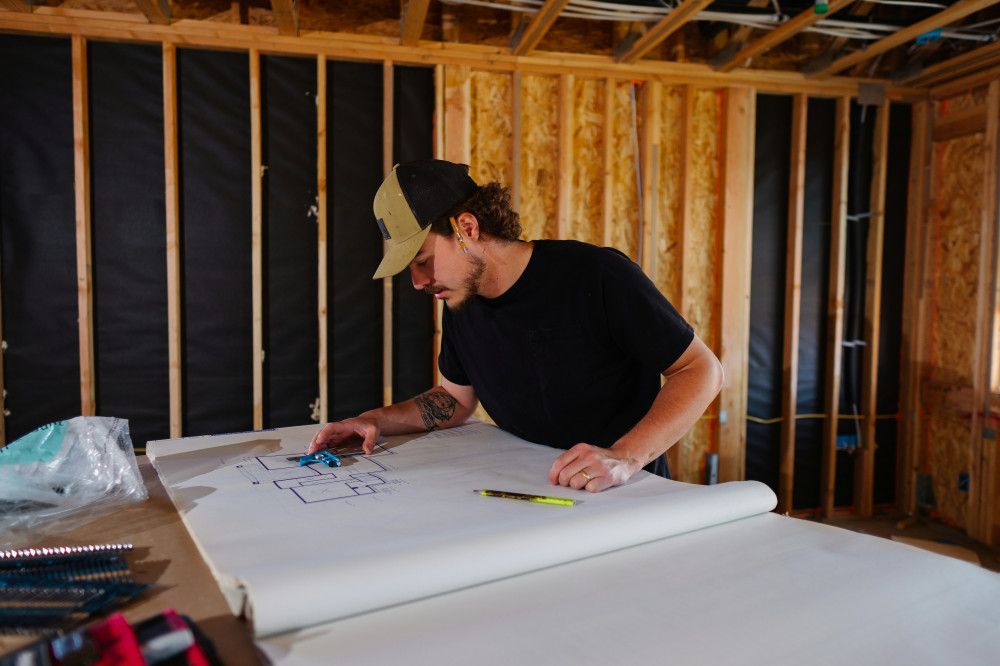
Before construction begins, you’ll need drawings, approvals, and possibly engineering or energy assessments. During this stage, payments usually cover design and consultancy work.
It’s common to make a small initial payment – often around 5–10% of the total contract price – to cover design and planning costs. The remainder should only be paid once final plans and building approvals are in place.
Stage 2: Site preparation and foundations
Once construction starts, expenses increase significantly. Payments should reflect visible progress on site.
A typical breakdown might look like this:
- Site preparation and slab or footings: 15–20%
- Framing, roof structure, and external walls: 25–30%
Only release payment once the work has been completed and inspected. It’s wise to have an independent building inspector or certifier confirm that each stage meets the required standards before you pay the next instalment.
Stage 3: Lock-up and internal works
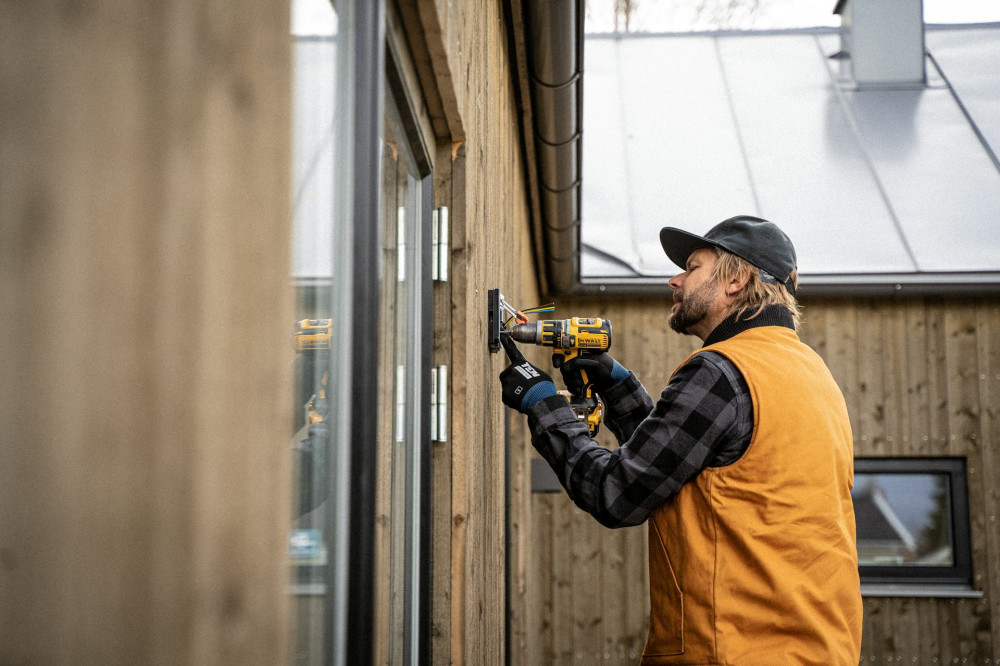
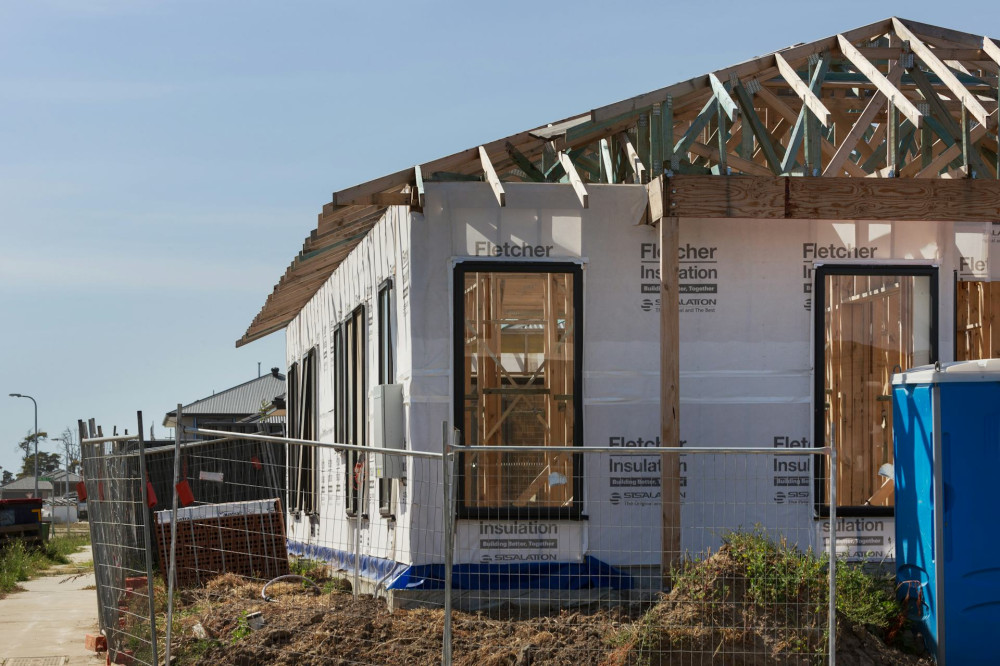
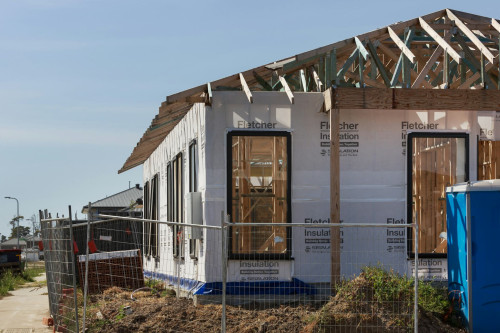
When the structure is weatherproof – with walls, roof, windows, and doors installed – the project moves into the lock-up stage. This is followed by internal works such as plumbing, electrical, insulation, plastering, and finishes.
You can arrange one or two progress payments during this phase to cover these works. This is also when many homeowners make design changes or upgrades, so it’s important to have a clear process for handling variations. Make sure all changes are approved in writing before they’re carried out and invoiced.
Stage 4: Completion and handover
As the build nears completion, the final payment should only be made after a thorough inspection with your builder. This ensures that all agreed work has been completed to the required standard.
It’s common practice to retain 5–10% of the contract price as a security amount until any defects or outstanding items are resolved. This retention gives the builder an incentive to finish properly and provides you with peace of mind.
Stage 5: Post-completion and warranty period
Even after handover, minor defects can appear as the building settles. Most Australian building contracts include a defects liability or warranty period – typically between 6 months and 2 years, depending on the state or territory.
You may choose to hold back a small portion of the payment – for example, 2–3% – until the end of this period, releasing it once any issues have been rectified. This ensures the builder remains accountable for the quality of their work over time.
Practical tips for a secure payment plan
- Use a standard building contract. In Australia, contracts such as those from the Housing Industry Association (HIA) or Master Builders Association (MBA) include clear payment and security terms.
- Avoid large upfront payments. Never pay for work that hasn’t been completed.
- Get everything in writing. Document all variations, timelines, and payment milestones.
- Engage an independent inspector. A qualified building consultant can confirm when each stage is ready for payment.
- Track your budget carefully. A structured payment plan helps you monitor costs and spot issues early.
Læs også:

A plan that keeps your project on track
A construction project is a major investment – financially and emotionally. By aligning your payments with the project’s stages, you gain a powerful tool for managing your finances and maintaining control.
When you pay in step with progress, you reduce the risk of disputes and ensure that both you and your builder are working toward the same goal: a completed home that meets your expectations and stands the test of time.
Læs også: